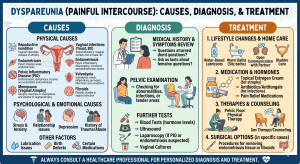
Dyspareunia (Painful Intercourse): Causes, Diagnosis, and Treatment
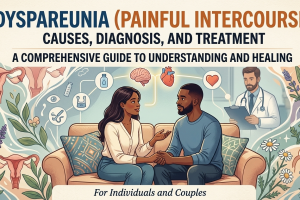
What Is Dyspareunia?
Dyspareunia is a medical term derived from Greek, meaning painful sexual intercourse. It refers to persistent or recurrent genital pain that occurs before, during, or after sexual intercourse. Despite being a common condition, dyspareunia is often underestimated and insufficiently addressed in clinical practice.
Painful intercourse can negatively affect not omly physical health but also psychological well-being and social relationships. It may lead to anxiety, avoidance of intimacy, relationship problems, and reduced quality of life.
Dyspareunia can be classified into two main types:
- Superficial dyspareunia: Pain occurs at the entrance of the vagina.
- Deep dyspareunia: Pain is felt deeper in the pelvis during penetration.
Causes of Painful Sexual Intercourse
Pain during sexual intercourse can result from psychological, physical, or combined factors. Studies suggest that approximately %30 of casesare psychological, while 70% are due to physical causes.
Proper diagnosis requires a detailed evaluation, starting with psychological factors and continuing with physical examination if necessary.
Psychological Causes of Dyspareunia
Psychological factors play a significant role in painful intercourse. Sexual arousal is essential for adequate vaginal lubrication and muscle relaxation. When arousal is insufficient, pain may occur.
Common psychological causes include:
- Anxiety and stress
- Fear of pain
- Sexual trauma or past negative sexual experiences
- Lack of sexual desire or arousal disorders
In many cases, involuntary vaginal muscle contractions occur during intercourse, making penetration difficult or painful. This condition may also cause micro-tears at the vaginal entrance, leading to burning or sharp pain.
Physical Causes of Dyspareunia
Physical causes account for the majority of dyspareunia cases. The pain may be described as burning, stinging, throbbing, or sharp. Identifying the exact location, timing, and nature of the pain is crucial for diagnosis.
Common Physical Causes Include:
- Vulvites and vaginal infections
- Vaginitis (bacterial or fungal infections)
- Vulvar vestibulitis syndrome
- Bartholin gland cysts or abscesses
- HPV infection
- HSV (herpes simplex virus) infection
- Endometriosis
- Pelvic inflammatory disease
- Post-surgical complications (appendectomy, cesarean section, gynecological surgeries)
Other Contributing Factors
- Genital abnormalities of the hymen
- Vaginal narrowing or structural anomalies
- Scarring after childbirth
- Hormonal changes during menopause
- Vaginal dryness due to low estrogen levels.
Diagnosis of Dyspareunia
Diagnosis begins with a detailed medical and sexual history, followed by a physical ang gynecological examination.
Diagnostic methods may include:
- Pelvic examination
- Vaginal ultrasound
- Pap smear
- Blood tests
- Imaging techniques if needed
The goal is to determine whether the pain is superfical or deep and whether it originates from psychological or physical causes.
Treatment Methods for Painful Intercourse
Treatment depends entirely on the underlying cause. A multidisciplinary approach often yields the best results.
Psychological Treatment
- Sexual therapy
- Cognitive behavioral therapy
- Couples counseling
- Education about anatomy and response
Psychological support is prefferred over medication when pain is primarily psychogenic.
Medical (Drug) Treatment
Depending on the diagnosis, treatment may include:
- Antibiotics for infections
- Antifungal medications
- vaginal creams or suppositories
- Local estrogen theraphy for menopausal vaginal dryness
- Vaginal lubricant and moisturizers
Surgical Treatment Options
Surgical interventionis rarely required but may be necessary in specific cases such as:
- Vulvar vestibulitis syndrome
- Bartholin gland cysts
- Severe anatomical
In vestibulitis syndrome, localized surgical excision of the painful area may be performed if conservative treatment fail.
Dyspareunia After Childbirth
After vaginal delivery, pain may accur due to insufficient healing of stitches or scar tissue. This pain usually resolves over time with proper care. Vaginal estrogen creams and pelvic floor theraphy can be beneficial.
Conclusion
Dyspareunia is a treatable condition when accurately diagnosed. Delayed diagnosis or improper treatment can result in chronic pain and long-term sexual dysfunction. Early evaluation, correct diagnosis, and individualized treatment significantly improve outcomes.
If pain during sexual intercourse persists, seeking professional medical help is essential.
In addition, dyspareunia should not be ssen as a problem that a person has to endure in silence. Many individuals delay seeking medical help because of embarrassment, fear, or lack of information.